Friday, 24 January 2025

Blind following of Misguidance – Part 2


Blind following of Misguidance – Part 2

 The scholarly and schoolboy approach can never be the same. The one has knowledge while the other is deluded, excited with the drop of knowledge.  For the latter, this becomes the reality. These types of people, even sometimes when they do carry some knowledge, gain followers like the Ahmadis and Qadianis. It is not impossible that these people build a following on lies and misguidance.


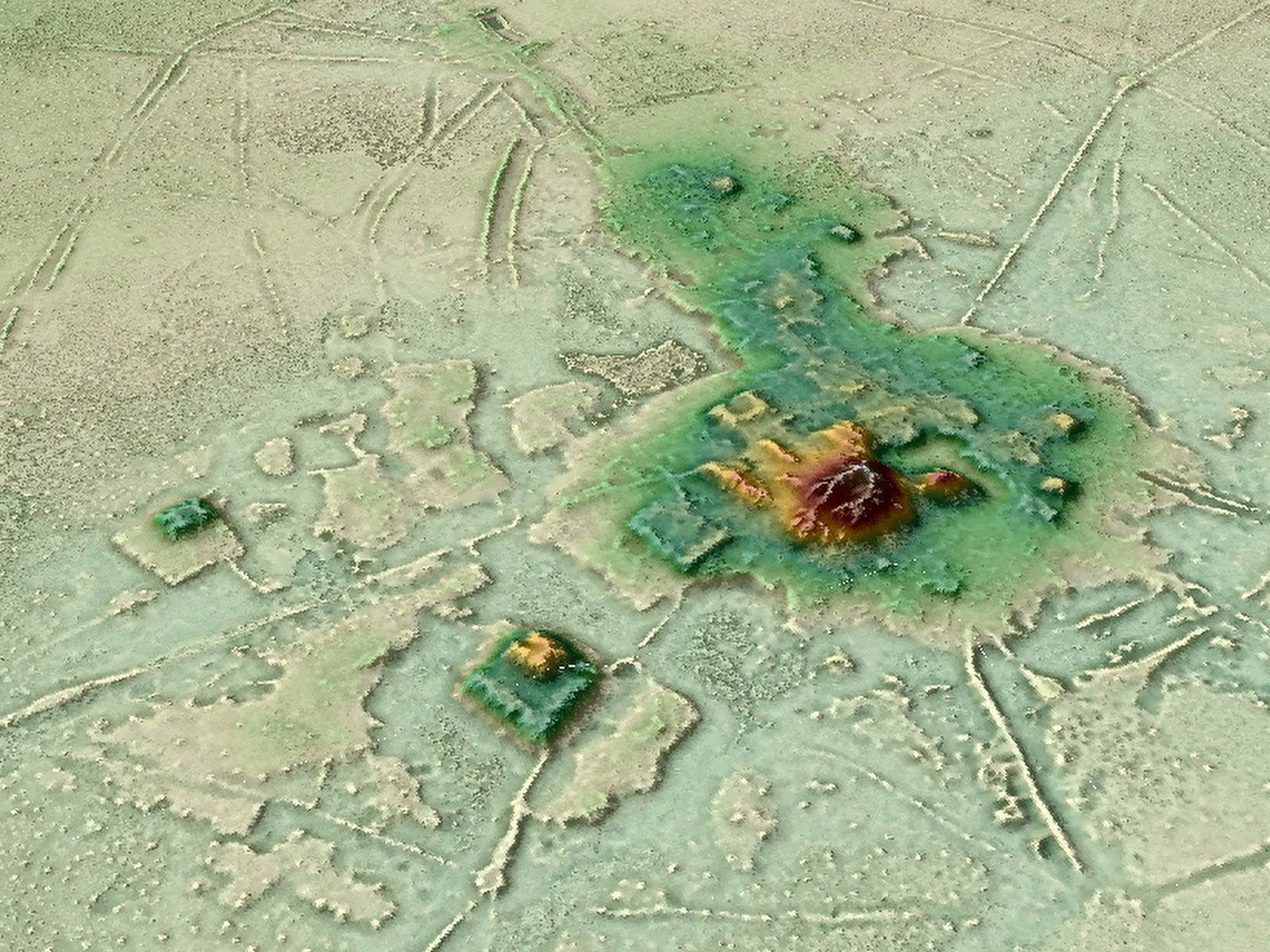
No matter whether the field is medicine, education or eschatology,etc, it can never trump aqeedah (belief). Belief is the most important aspect to have proper eemaan (faith). I say “proper”, but effectively if eemaan is defective, it may in fact, at times, be classified as disbelief. So, if you don’t apply yourself to understanding or accepting any or much of other fields of study, but only in as much as is needed for your aqeedah, then that will suffice. As for delving into these matters and creating the impression that that is aqeedah, then that is misguidance. Examples of how they place preference on their opinions on eschatology is that they believe that Gog and Magog have escaped and are amongst people already. Reading through the ahadith pertaining to this, the literal understanding is simple. This literal understanding is the view of every credible scholar that Gog and Magog will only appear after the time of Ad-dajjal (antichrist). Now this, the minute detail, is not a point of aqeedah but knowledge that it is real must be accepted because it is authentically reported in the hadith of Prophet Muhammad ﷺ. Moreso, to create an opinion other than that of the entire scholarship and ummah is pushing the limits, to put it mildly. Of the arguments that these misguided people use to justify the release and presence, as it were, of Gog and Magog in our midst, is that the whole world has been discovered. So how can Gog and Magog still be hidden. This is an aqeedah issue because it is questioning whether Allah has the ability to hide any part  the world from prying eyes. This can be shown when these people have not looked at some archaeological findings in the recent years. These finding effectively show places undiscovered for thousands of years. Then also, in the recent past, the disappearance of flight MH371. Sure, there will be theories on the latter, but what about the archaeological findings. Indeed, a case of these people trying to force justification of their viewpoint when eschatology in Islam cannot clash with Aqeedah, except that you will be in error. The ghaib, the unseen, is the domain of Allah. He did not give us more detail than what has been authentically reported. Thus, any interpretation is subject to mere opinion which can be strutinised and rejected. On the matter of Gog and Magog, then the overwhelming view is that Gog and Magog must still appear.


After centuries of scholarship, one man decides that these people were and are all wrong. This brings us to the point of understanding how knowledge has been passed on from generation to generation, but we will leave that for some later date.  You head into dangerous territory when you then also just reinterpreting Quran on this basis. Know that no subject is important enough to endanger your eemaan.


hadith posted below


See part 1: http://capemuslimspeak.blogspot.com/2025/01/blind-followers-of-misguidance.html

 see part 3: The Cape Muslim Dialogue: Blind following of Misguidance - Part 3


Do read, share and comment on these links below:

https://capemuslimspeak.blogspot.com/2024/12/fallen-hope-or-fear.html

https://capemuslimspeak.blogspot.com/2024/11/chain-reaction.html

https://capemuslimspeak.blogspot.com/2024/10/where-are-you-running-to.html

https://capemuslimspeak.blogspot.com/2024/11/things-to-consider.html

https://capemuslimspeak.blogspot.com/2024/09/they-dont-know-what-we-know.html

https://capemuslimspeak.blogspot.com/2024/09/who-do-you-emulate.html


picture courtesy of https://www.smithsonianmag.com


Hadith

It was narrated from Abu Hurairah that the Messenger of Allah (ﷺ) said:

"Gog and Magog people dig every day until, when they can almost see the rays of the sun, the one in charge of them says: "Go back and we will dig it tomorrow." Then Allah puts it back, stronger than it was before. (This will continue) until, when their time has come, and Allah wants to send them against the people, they will dig until they can almost see the rays of the sun, then the one who is in charge of them will say: "Go back, and we will dig it tomorrow if Allah wills.' So they will say: "If Allah wills." Then they will come back to it and it will be as they left it. So they will dig and will come out to the people, and they will drink all the water. The people will fortify themselves against them in their fortresses. They will shoot their arrows towards the sky and they will come back with blood on them, and they will say: "We have defeated the people of earth and dominated the people of heaven." Then Allah will send a worm in the napes of their necks and will kill them thereby.'" The Messenger of Allah (ﷺ) said: "By the One in Whose Hand is my soul, the beasts of the earth will grow fat on their flesh."

Sunan Ibn Majah – graded Sahih


Monday, 13 January 2025

Ego


The ego trip, a brief journey that can feel like an eternity, leads nowhere but to one's own self-importance. If you find yourself offended when corrected, it is a clear sign of ego at play.

Genuine discussions, where learning thrives, are rare. Rather than seeking truth, many strive to be right and have others validate their views. The question often arises: why are some brilliant minds not adherents of Islam? The answer lies in their pride, ego, and closed hearts that resist accepting the truth.

A major hurdle within the ummah (Muslim community) is the matter of aqeedah, or belief system. Aqeedah encompasses the correct beliefs held by Muslims and was a central focus of Prophet Muhammad's ﷺ teachings. Many claim to follow the Quran and Sunnah yet introduce unauthorised elements, while others draw guidance from questionable sources.


Prophet Muhammad's ﷺ approach was straightforward and uncomplicated. Those who reject him or his hadith cannot be considered Muslims, and those who malign his character risk the consequences. Some individuals defend their positions out of ego, despite knowing the truth. The noble conduct of our pious predecessors involved humility in admitting when they lacked knowledge saying “I don’t know” often, contrasting with those who assert knowledge, without merit, as if divine revelation.


The issue of ego extends beyond religious leaders to all individuals. It may involve questioning the credibility of knowledge in relation to the Quran and Sunnah. Maintaining a teachable spirit, even if wisdom comes from an unexpected source, is crucial. However, reliance on consistently erroneous guides driven by ego is unwise. Continuous learning and study are paramount. While respecting teachers, idolising them should be avoided as they are fallible. Quran and Sunnah serve as the primary sources of knowledge, and any information contradicting them is deemed unacceptable.

Reflecting upon Iblees' refusal to bow to Prophet Adam, peace be upon him, prompts further contemplation on the influence of ego and the importance of humility in seeking knowledge.


Early hours Part 3 : https://capemuslimspeak.blogspot.com/2024/12/early-hours-part-3-madinah.html


Do read, share and comment on these links below:

https://capemuslimspeak.blogspot.com/2024/12/fallen-hope-or-fear.html

https://capemuslimspeak.blogspot.com/2024/11/chain-reaction.html

https://capemuslimspeak.blogspot.com/2024/10/where-are-you-running-to.html

https://capemuslimspeak.blogspot.com/2024/11/things-to-consider.html

https://capemuslimspeak.blogspot.com/2024/09/they-dont-know-what-we-know.html

https://capemuslimspeak.blogspot.com/2024/09/who-do-you-emulate.html


Tuesday, 24 December 2024

Early Hours - Part 4 - Shroud


The Weight of Responsibility: A Journey of Reflection

In the grand tapestry of existence, each individual is woven with threads of responsibility that cannot be severed. Indeed, no man or woman escapes this divine decree, except in limited circumstances known only to Allah. Death, that inevitable truth, looms over us like an unyielding shadow. On the Day of Judgment, we shall stand alone, stripped of earthly possessions and kin, facing the weight of our deeds. With hearts trembling, we prepare for this ultimate accountability, embodying our spiritual essence as we don the ihram—a profound reminder of our mortality and the transient nature of this world.

As pilgrims, when we cloak ourselves in the ihram, we accept a sacred invitation to reconnect with our Creator. Wrapped in two unsewn cloths, we are not merely participants in a ritual, but are heralding a call to introspection. This is a moment to recognize that we, and only we, are responsible for our actions. Each act of worship demands sincerity, the cornerstone of our faith. In prayer, you follow the imam so a portion of its responsibility is transferred to the imam such as reciting out loud in certain prayers, yet the responsibility of our personal connection with Allah lies solely with us. We may employ an agent to fulfill our obligatory alms, but fasting, truly, is a private act of devotion, manifesting the purity of our intention.

The pilgrimage represents the zenith of this personal journey, a sacred experience that cannot be delegated. As you recite the talbiyah, “Labbaik Allahumma Labbaik,” you echo the solitary affirmation of your presence before Allah, not as a collective, but as an individual. The call is personal, a declaration that beckons you to prepare for that momentous day when all will be revealed. Truly, how can we fathom our responsibility without genuine preparation for the Day of Reckoning? The magnificence of Islam lies in its blend of stringent accountability and boundless mercy; Allah’s grace invites us to seek forgiveness and strive for closeness to Him.

On the Day of Qiyamah, the bustling noise of worldly life will fade into silence, leaving only you, accountable for your choices. Your spiritual leaders can guide you within this fleeting life, offering wisdom and support, but remember: they cannot replace your personal covenant with Allah. This bond requires urgency and intent, demanding that you rise in the stillness of pre-dawn hours, beseeching your Lord with heartfelt supplications. Reflect upon the lives of the Sahaba, who traversed the path of righteousness alongside our beloved Prophet Muhammad ﷺ, even they emerged alone in the quietude of night, seeking a closeness to Allah that transcended collective identity.

Consequently, envision the day you will be shrouded, lowered into the earth you once walked upon. Today, as you don the ihram, it serves as a living testament of your spiritual state, mirroring the shroud that awaits you. Within these sacred moments, pray not only for your forgiveness but also for the salvation of others. The day you find yourself cradled in your grave, others will seek mercy on your behalf—their prayers a testament to your journey.

May your pilgrimage be accepted, and may you emerge from this sacred act renewed, driven by the profound realization of your individual accountability before Allah. Each step taken on this journey is a step closer to Paradise, a manifestation of your devotion and sincerity. Truly, embrace this responsibility as the illuminating light guiding you towards your ultimate destination. Seek forgiveness, strive for righteousness, and immerse yourself in the ocean of Allah’s mercy—therein lies your strength and salvation.


Early hours Part 3 : https://capemuslimspeak.blogspot.com/2024/12/early-hours-part-3-madinah.html


Do read, share and comment on these links below:

https://capemuslimspeak.blogspot.com/2024/12/fallen-hope-or-fear.html

https://capemuslimspeak.blogspot.com/2024/11/chain-reaction.html

https://capemuslimspeak.blogspot.com/2024/10/where-are-you-running-to.html

https://capemuslimspeak.blogspot.com/2024/11/things-to-consider.html

https://capemuslimspeak.blogspot.com/2024/09/they-dont-know-what-we-know.html

https://capemuslimspeak.blogspot.com/2024/09/who-do-you-emulate.html


Monday, 23 December 2024

Early Hours Part 3 - Madinah


Visiting the Holy Lands is akin to embarking on a sacred pilgrimage, where the heart is drawn irresistibly to the very cradle of our faith—Makkah, the birthplace of our beloved Prophet Muhammad ﷺ. This ancient city, steeped in reverence and adorned with the whispers of the past, is the hallowed ground where the first mosque—Masjid al-Haram—was built. It is the ultimate destination for pilgrims seeking solace, respite, and a deeper connection to Allah Almighty. Yet, while Makkah is not the burial place of our beloved Prophet, Muhammad ﷺ, we find ourselves yearning to be in the illuminated city of Madinah al-Munawwarah, where our beloved Prophet ﷺ is laid to rest.

The journey between these two revered cities echoes the transformative path of hijrah, a migration rich with history and significance. Making this pilgrimage, even if one is merely traversing from Madinah to Makkah, allows your spirit to absorb the essence of sacrifice, resilience, and faith that our Prophet ﷺ so beautifully embodied.

Madinah, with its serene ambiance, captures the very souls of the ummah, granted significance as the city of refuge and the resting place of our guiding light, Muhammad ﷺ. As we walk upon its soil, our hearts swell with love and loyalty for a leader who is unparalleled—a figure whose character emanated the teachings of the Quran. To follow him is not just an aspiration, but a profound obligation; for in emulating the best of creation, we endeavour to be our truest selves, just as his esteemed companions once strove to do.

Yet, amid this sanctity, one may occasionally feel a pang of inadequacy, as if unworthy of such divine grace. This conundrum only serves to deepen one's understanding of faith—that being imperfect is not a disqualifier but rather a welcoming embrace of our beautifully complex nature. To be a sinner is a reminder that our path to redemption lies in repentance and constant supplication. The Prophet ﷺ himself sought forgiveness consistently, despite being cleansed of all sin, demonstrating his profound gratitude to Allah. His actions encourage us to follow in his footsteps, fostering an unbreakable bond with the Divine, silently whispering the truths we often overlook.

In the expansive haram of Madinah, as we absorb the historical essence and reflect on the simplicity of the Prophet’s message, we engage in a spiritual odyssey—one that invites introspection and connection. Here, among the echoes of prayers and the shadows of the beloved companions, we are afforded the opportunity to evaluate our adherence to the sunnah. Acknowledging that while many of us grapple with our shortcomings, the pursuit of faith is a lifelong journey—one that commands our utmost fidelity.

To tread the path laid by Prophet Muhammad ﷺ is to embody loyalty and obedience, a testament to our love for him. The act of performing Umrah, akin to a yearning embrace toward the Divine, serves as a means for forgiveness, a ritual meticulously taught by our Prophet Muhmmad ﷺ. The way of Prophet Muhammad ﷺ is the path we tread. This is obedience and loyalty. This is what makes one deserving of being in the precincts of Madinah. This is true love of Prophet Muhammad ﷺ.  To perform umrah is to draw closer to Allah and have your sins forgiven. This is an act taught by Prophet Muhammad ﷺ. In like manner he has taught us our deen and our forms of worship.

Gratitude to Allah is in following him, Prophet Muhammad ﷺ and feel deserving to be in Madinah and in the Holy lands. The politics is a discussion for another day, it is for us to have our acts of worship accepted by Allah.


Early hours Part 2 : https://capemuslimspeak.blogspot.com/2024/12/early-hours-part-2.html


Early Hours Part 4: https://capemuslimspeak.blogspot.com/2024/12/early-hours-part-4-shroud.html


Do read, share and comment on these links below:

https://capemuslimspeak.blogspot.com/2024/12/fallen-hope-or-fear.html

https://capemuslimspeak.blogspot.com/2024/11/chain-reaction.html

https://capemuslimspeak.blogspot.com/2024/10/where-are-you-running-to.html

https://capemuslimspeak.blogspot.com/2024/11/things-to-consider.html

https://capemuslimspeak.blogspot.com/2024/09/they-dont-know-what-we-know.html

https://capemuslimspeak.blogspot.com/2024/09/who-do-you-emulate.html


#grandmosque #masjidalharam #abraham #islam #umrah #madinah #sunnah #quran


Thursday, 19 December 2024

Early Hours - part 2


Reflections on the Heart of Islam: The Sacred Kaa’bah and Our Spiritual Journey

In this fast-paced world, the rhythm of our lives often mimics the relentless speed of sound and light. Yet, amidst this whirlwind of modernity lies a profound reminder of the eternal: light itself. For those who seek enlightenment and solace, that light is found in the Quran, a divine treasure that illuminates our path. The Quran, along with the sunnah, serves as the foundational source of knowledge and guidance that shapes our understanding of life and our purpose within it.

As we confront the evolving landscape of Masjid-al-Haram, where construction may obscure our view of the Kaa’bah, we are invited to reflect deeper. The Kaa’bah, the ancient sanctuary that Prophet Ibrahim (peace be upon him) built, holds an irreplaceable place in the hearts of Muslims around the world. It is not merely a structure of worship; it is the qiblah, the focal point of our prayers and aspirations. Though our vision of the Kaa’bah may be obscured, its significance endures as a beacon of spiritual unity and devotion.

The current construction may present challenges for musallees, as the sacred edifice becomes momentarily hidden to many. Yet, the heart of a believer recognises that the true essence of the Kaa’bah transcends its physical form. It exists within the souls of those who fervently pray, encoding within us a connection that cannot be severed by any obstruction. Even when concealed, the Kaa’bah envelops us in its spiritual embrace, as we engage in our five obligatory prayers. Thus, every moment spent in the Holy Mosque becomes an opportunity to deepen our love for Allah and His beloved messenger, Muhammad ﷺ.

Imagine standing within a stones-throw of the Kaa’bah, yet unable to view it; it is an exquisite paradox that speaks volumes about faith. The Kaa’bah is not merely seen; it is felt, resonating with those who approach it with a heart open to complete submission to Allah. Often, visitors arrive with tears—a reflection of their hopes, their struggles, and their longing for connection to the divine. In that sacred space, overshadowed by modernity in the form of towering malls and the clocktower, we are called to examine our own hearts: Are we captivated by the worldly or anchored to the divine?

Allah knows what lies within us. The Kaa’bah serves as a powerful symbol of singularity among Muslims, transcending geographical boundaries. Regardless of the distance, we face the Kaa’bah in our prayers, affirming our singular purpose: to worship One God, Allah, and to follow the path illuminated by the sunnah of Prophet Muhammad ﷺ. Any notion of an 'Abrahamic Family House' fails when understanding the significance of the Kaa’bah, the original house built by Ibrahim (peace be upon him) as a sanctuary for the worship of Allah.

To visit Masjid-al-Haram is more than a physical journey; it is an awakening of the heart and spirit. As we explore this sacred place, rich with history, we uncover lessons that guide us in our spiritual development and prepare us for the hereafter. The depths of our love for Allah intensify as we immerse ourselves in the significance of each moment spent within these hallowed walls.

In conclusion, may Allah accept your worship and enrich your heart with the light of faith. Let us reaffirm our bond to the Kaa’bah through our consistent prayers — not solely as a structure visible to the eye, but as a profound connection to the divine that resides deep within us. Every prayer, every tear, every moment of reflection brings us closer to understanding the true essence of our existence. In this way, we not only recognise the Kaa’bah’s physical presence but also cherish its spiritual home nestled within our hearts, illuminating our journey back to Allah.


See Next:  The Cape Muslim Dialogue: Early Hours Part 3 - Madinah

See previous: https://capemuslimspeak.blogspot.com/2024/12/early-hours.html


Do read, share and comment on these links below:

https://capemuslimspeak.blogspot.com/2024/12/fallen-hope-or-fear.html

https://capemuslimspeak.blogspot.com/2024/11/chain-reaction.html

https://capemuslimspeak.blogspot.com/2024/10/where-are-you-running-to.html

https://capemuslimspeak.blogspot.com/2024/11/things-to-consider.html

https://capemuslimspeak.blogspot.com/2024/09/they-dont-know-what-we-know.html

https://capemuslimspeak.blogspot.com/2024/09/who-do-you-emulate.html


Thursday, 12 December 2024

Fallen: Hope or Fear


In a distant land, where the echoes of chaos drown out the whispers of hope, a sorrowful reality unfurls. Iraq has fallen; Syria lies ravaged; Egypt seems poised to follow suit. Each piece of news feels like another brick in a crumbling edifice, as confusion and despair reign. In such tumultuous times, one can’t help but ponder: what is the position of the believer?

Amid the chaos, perspectives diverge wildly. Some view the unfolding catastrophe through an eschatological lens, seeing it as the indication of a prophesied end; others attempt to make sense of the chaos with simply what’s visible before them. Yet, the most palpable truth in this disarray is the climate of fear that engulfs us all. We hope, that as per Shari'ah, that the current powers in Syria, rooted in a fervent faith, would safeguard minorities and uphold justice. However, time reveals unforeseen agendas, leading us not ignore the specter of a greater Israel looming over the region, a development that calls into question the very fabric of our shared humanity. Still, through the anxiety, we hold onto Allah, for in Him, we seek our refuge.

In these times, we ponder the dire prophecy that Prophet Muhammad ﷺ spoke of—the vulnerability of the ummah, despite its vast numbers. Muslims are beckoned toward unity, the singularity of brotherhood, rather than the strained duality that has crept into our lives. Too many have adopted foreign ways, drifting from the purity of our teachings to embrace lifestyles that do not serve us. The foundation of our belief—the Kalimah, “La ilaha illallah, Muhammadur Rasulullah”—is not just a phrase recited; it’s the essence of our belief. It is our unwavering allegiance, the anchor in stormy seas. In every struggle, we must hold onto our iman, the light shining through the shadows of tyranny and oppression.

But what can be done? The enormity of the situation can feel suffocating. The pulpits of Muslims echo the turmoil we face, reflecting the fractured state of our ummah, save for a handful of voices striving to guide us. Political Islam has, in many ways, been overshadowed, confused with religious ideologies. The roots of our Kalimah are shallow in many hearts, leading to disarray in our understanding of faith and politics. While it’s easy to lament the faltering of Muslim world leaders, dwelling on these issues without action is futile. Endless rhetoric serves no purpose; we must rectify ourselves, renew our commitment to our shahadah.

As we gaze upon the battlefield of life, we can’t help but see the weaknesses that permeate, not just in leadership but within our families and communities. We are called to rise, not as spectators but as standard-bearers of Islam, becoming beacons of light and unity in a world shrouded in darkness. The essence of our existence lies in our unwavering commitment to faith, our solidarity with one another, and our relentless pursuit of justice and truth.

As the sun sets on the horizon of despair, let us emerge not as fragmented souls but as a unified ummah, ready to confront the challenges of our time, armed with the conviction of our beliefs and the strength of our brotherhood. Together, we can rise above the chaos and reclaim our rightful place, finding solace and strength in our shared identity – There is no deity worthy of worship but Allah, Muhammad ﷺ is His messenger


Do read, share and comment on these links below:

https://capemuslimspeak.blogspot.com/2024/12/early-hours.html

https://capemuslimspeak.blogspot.com/2024/11/chain-reaction.html

https://capemuslimspeak.blogspot.com/2024/10/where-are-you-running-to.html

https://capemuslimspeak.blogspot.com/2024/10/they-are-our-mothers.html

https://capemuslimspeak.blogspot.com/2024/11/things-to-consider.html

https://capemuslimspeak.blogspot.com/2024/09/they-dont-know-what-we-know.html

https://capemuslimspeak.blogspot.com/2024/09/who-do-you-emulate.html


Tuesday, 10 December 2024

Early Hours


The stillness of the morning is only broken by the shuffling of the feet of a few people as they head to the Grand Mosque, Masjid-al-Haram. It is in the wee hours of the morning, more than three hours before sunrise. These are the people worshipping Allah in the middle of the night, hoping for His Mercy and forgiveness, while the majority of the people are asleep.

There are lessons and signs in everything. Some you may understand and some seem too simple to even contain any sign. But in the example and a very real daily occurrence, few are up at those early hours of the morning, praying. Does it not appear to be the case with those being unawares, as if asleep, to what is transpiring in the world? People walk around in a daze. Few are awake and tuned in to the realities. Admittedly, life can get confusing, except for those who at least understand the basics. You are not required to know everything, but you need to have a foundation. Of the questions that will give you some clue that you understand a little, is whether you know what will be your means to enter paradise. It is something on which to always reflect. Thousands of people throng to the Haram (Grand mosque) for Fajr and it is packed, resulting in overflow outside the Haram. After prayers is a good time to reflect as the crowds disperse except for the handful that remain. Sitting there, reflecting and engaging further in the remembrance of Allah. There is certainly much reward in doing this, especially, that after sunrise, you offer two units of prayer. The religion, nay the Deen, of Islam is easy, filled with much beauty and abundance of reward. Ah, yes, in focusing on the few, it is indeed only a few are truly grateful to Allah. It is not that those who leave early are not grateful to Allah, but it the numbers are mere reminders.

In doing good, your intention is always “for the sake of Allah”. Then what about your sins or those meaningless acts that are overwhelming part of your day and life. It is in the transformation of your life that you should gain understanding and steadfastness. What will determine your entry into paradise? If you were in a class(room) and you always want to get the attention of the teacher, what do you do? At home, if you want the attention of your parents or spouse, what do you do? Then what about seeking the love of Allah?

Now, many people are going for umrah where, in-sha-Allah, they will benefit from being in the precinct of the Haramain. For the rest, people are distracted by events and festivities away from the remembrance of Allah.  Few are grateful.


See part 2: The Cape Muslim Dialogue: Early Hours - part 2


Do read, share and comment on these links below:

https://capemuslimspeak.blogspot.com/2024/11/chain-reaction.html

https://capemuslimspeak.blogspot.com/2024/10/where-are-you-running-to.html

https://capemuslimspeak.blogspot.com/2024/10/they-are-our-mothers.html

https://capemuslimspeak.blogspot.com/2024/11/things-to-consider.html

https://capemuslimspeak.blogspot.com/2024/09/they-dont-know-what-we-know.html

https://capemuslimspeak.blogspot.com/2024/09/who-do-you-emulate.html

https://capemuslimspeak.blogspot.com/2024/08/rewind-and-repeat.html


What was Ramadan meant to change - Part 4

  Staying Grounded in a Confused World Following Prophet Muhammad ﷺ is not just recommended — it is the path to earning the love of Allah. ...